
When a clogged main line is an emergency
One slow drain is local. Several slow drains, a toilet that bubbles when the washer runs or a floor drain with a ring of dirty water are main line signs. The blockage sits downstream of where the branches join, so everything upstream feels it.
A main line clog at night is an emergency, because you cannot simply stop using water in a house with people in it. Call and we dispatch a plumber the same day, including after hours and on weekends, when a plumber is available.
Where the cleanout is and why it matters
A cleanout is a capped pipe that gives a plumber direct access to the main line. In many houses it sits in the basement near the foundation wall, or outside near the house. If you can find it, tell us on the call, because it saves time.
If you cannot find one, the plumber can reach the line through a toilet or a roof vent, though that takes longer and costs more. Newer homes tend to have an accessible cleanout. Many older ones do not, and adding one is a worthwhile project. A cleanout installed during a clearing visit saves the next one.
How the line gets cleaned
| Step | What happens | Why it matters |
|---|---|---|
| Locate access | Find the cleanout or the best entry | Avoids pulling fixtures |
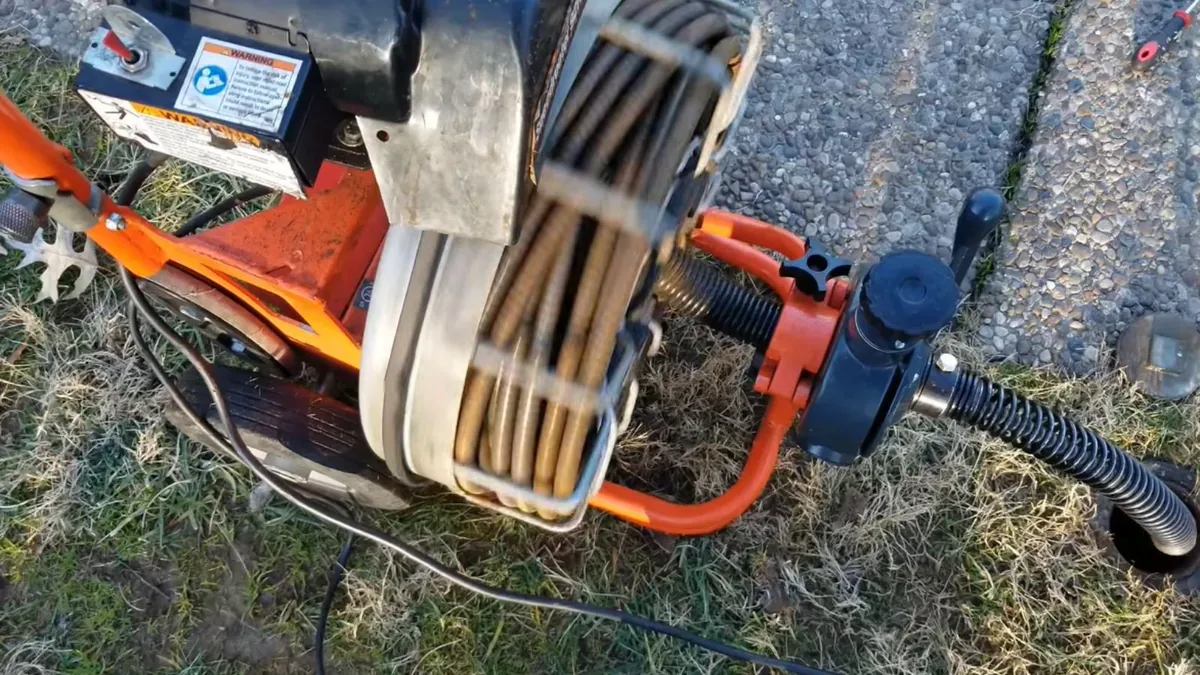
| Clear the blockage | Run a drum machine with a cutting head | Restores flow |
| Flush and test | Run water to prove the line moves | Confirms the fix |
| Camera check | Look at the pipe from inside | Shows roots, breaks or sags |
| Report | Explain what was found and next steps | Lets you plan ahead |
| A clean line is the start. If the camera shows roots, a belly or a break, the repair belongs on the [[sewer-line-repair | sewer line repair]] page. If it shows only buildup, [[hydro-jetting | hydro jetting]] may be the longer-lasting fix. |
What blocks a main line
Roots enter at joints in older clay and cast iron pipe. Grease coats the pipe and holds wipes and debris. Flushed items stack up where a pipe sags. A newly installed fixture can also reveal an old problem, because extra flow reaches a weak spot.
Houses built from the late 1950s onward often have drain lines of that vintage. We do not assume. The camera tells us what your line is made of and what shape it is in.
Stormy weather and heavy rain
Backups that arrive with heavy rain deserve attention. They can mean roots, a sagging section or an infiltration problem in the line. A sump pump pumped into the sanitary line is a known cause of overload, and the Village states that a sump pump may not discharge into the sanitary sewer.
If you suspect your pump is tied in, tell the plumber.
What affects the cost of sewer line cleaning
- Access. An open cleanout is quick. Pulling a toilet adds time.
- Severity. A soft clog is simpler than packed roots.
- Length of line. A long run costs more than a short one.
- Camera follow-up. We recommend it, and it is priced separately so you choose.
Cleaning a main line is normally maintenance and not an insurance claim. A water backup endorsement may cover damage to the finished basement, so ask your insurer.
Main line backed up? Call the 24/7 line now.
☎ (630) 822-9290Keeping it clear
Do not flush wipes or paper towels, and keep grease out of the kitchen drain. An older line with roots may need a yearly cleaning. If your home has no cleanout, ask us about installing one, because the next clog will be cheaper to clear.
Bloomingdale and Addison homeowners often ask us about the same maintenance schedule, and a drain cleaning visit can handle branch lines in the same trip.
Standards and sources for this job
Cleaning a main line is maintenance, but any opening or alteration of the piping falls under the Illinois Plumbing Code. The Village's sump pump brochure, citing Section 7-5-2 of the Village code, says no sump pump may be connected to discharge into a sanitary sewer.
Sewer line cleaning questions from Glendale Heights homeowners
Yes. Our line is answered 24/7, and a plumber can be dispatched the same day when one is available. Say which drains are backing up when you call.
It is a capped pipe giving direct access to the main line. Finding it saves time. If there is none, the plumber can reach the line another way.
Only when problems appear for most homes. A line with a history of roots or grease may benefit from a scheduled yearly cleaning.
No. Cleaning removes the blockage. A camera tells us whether the pipe is broken, and repair is a separate job.
Yes. Roots follow moisture and grow back. Cutting them is temporary unless the entry point is repaired or lined.
We work throughout Glendale Heights, including 60139, and the nearby ZIPs and towns listed on the service area page.
Yes. The plumber explains the method and gives you the price, and you approve it before the line is touched.